Munich’s Indian Community: Representation Is a Shared Responsibility, Not a One-Person Job
An independent community perspective by IndoEuropean.eu
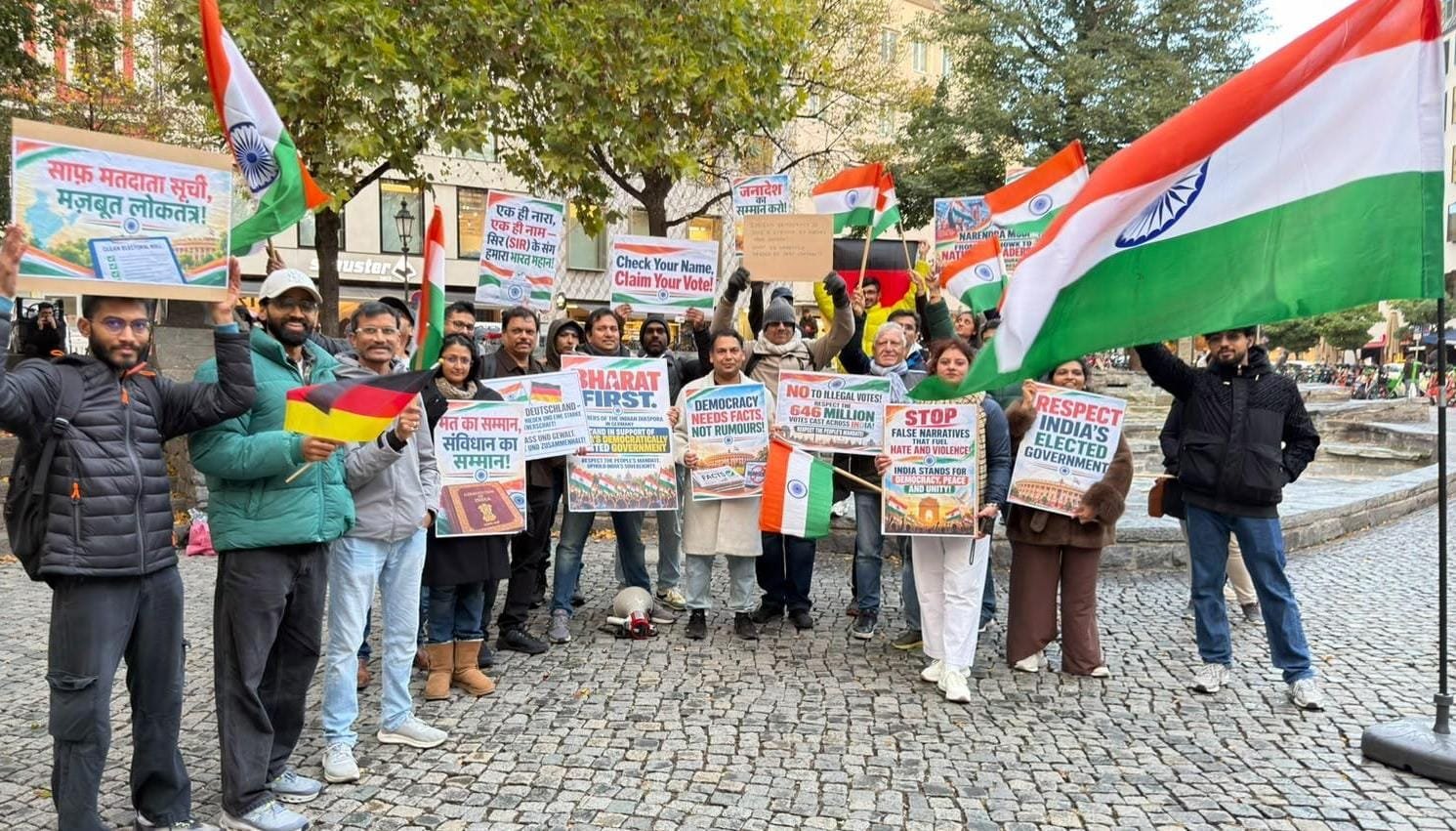
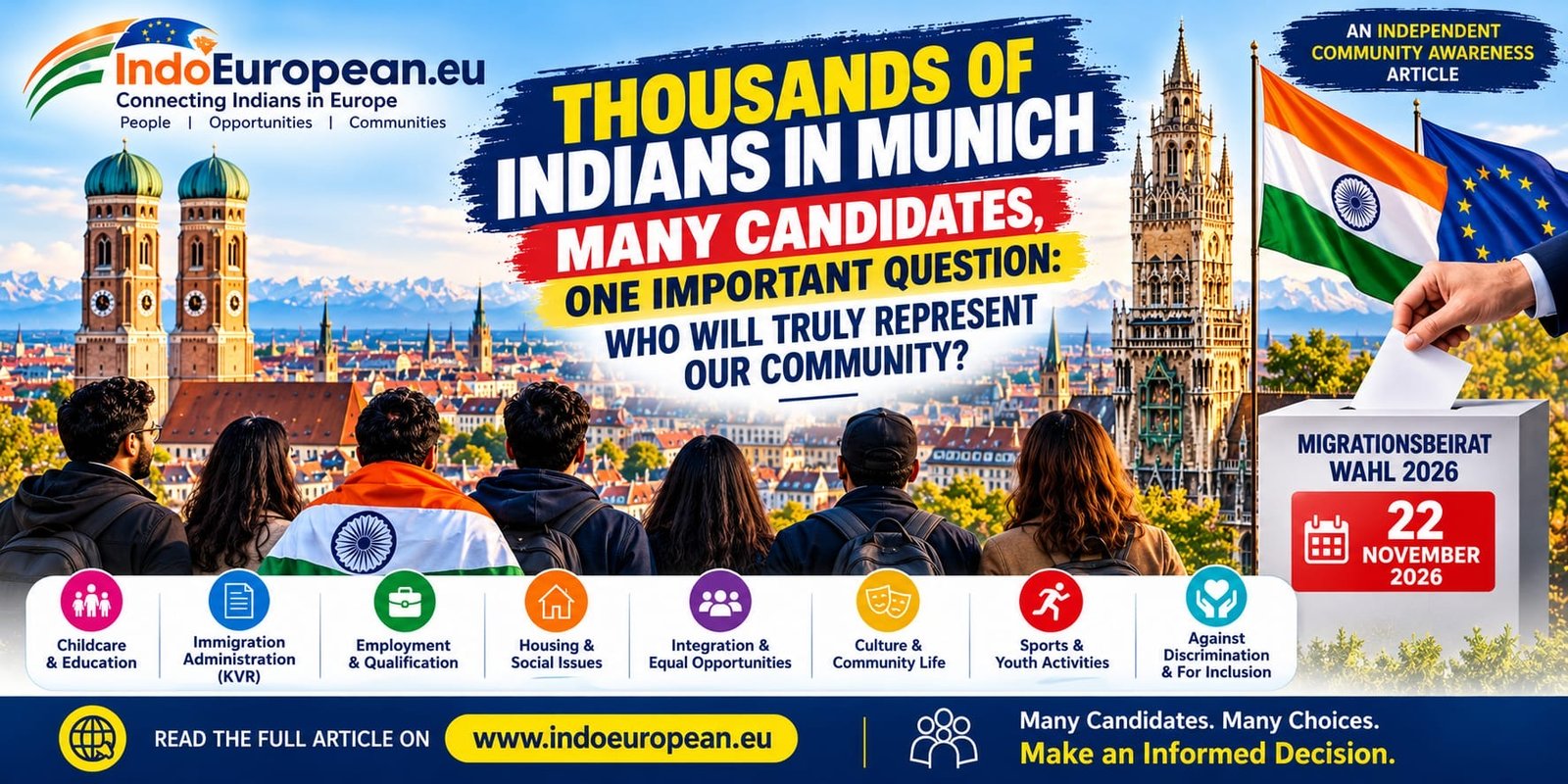
Munich is home to thousands of Indians, including professionals, students, entrepreneurs, families and community volunteers.
As our community grows, so do the challenges we experience. Some are individual problems, while others affect hundreds or even thousands of residents.
From KVR appointments, residence permits and family reunification to childcare, education, housing, employment and integration, these issues require attention, cooperation and long-term engagement.
Can one or two representatives address every problem faced by such a diverse community?
Realistically, no single individual can address every concern alone.
We must also remember that candidates and elected representatives are ordinary people with professional careers, families, personal responsibilities and limited time. Their willingness to participate in public service deserves recognition, while their actual availability and commitments remain important considerations.u
Why Collective Participation Matters
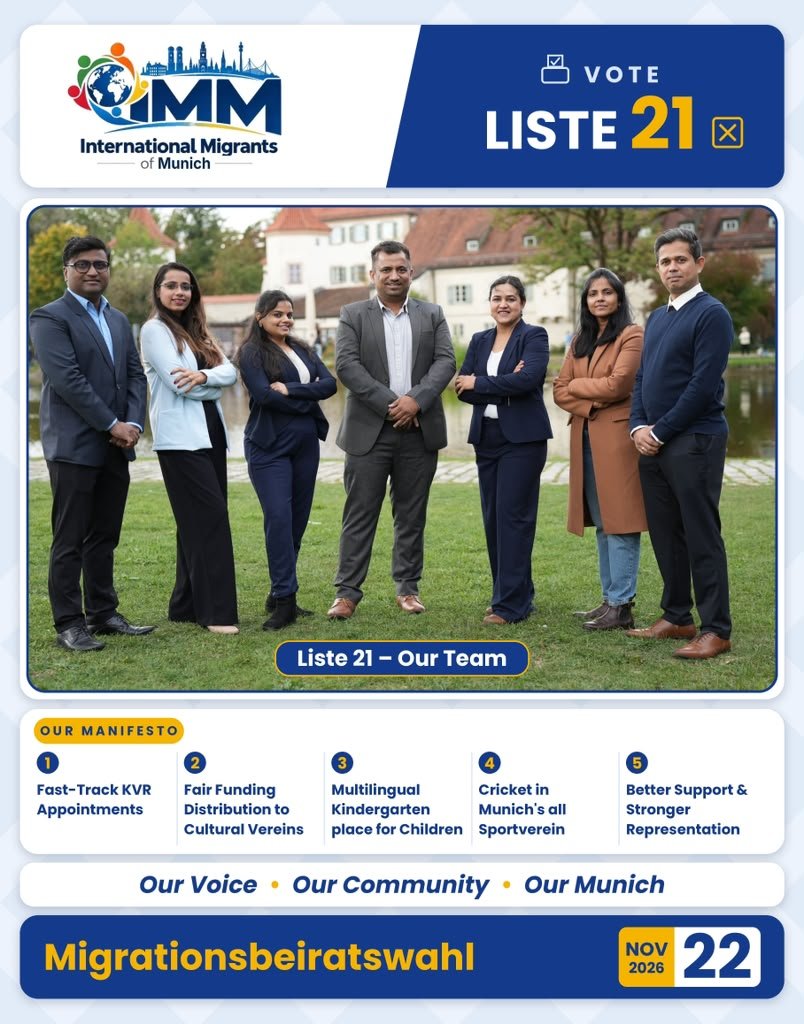
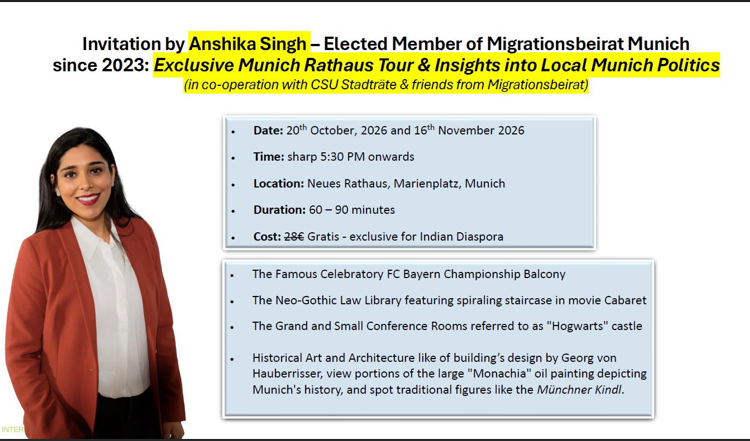
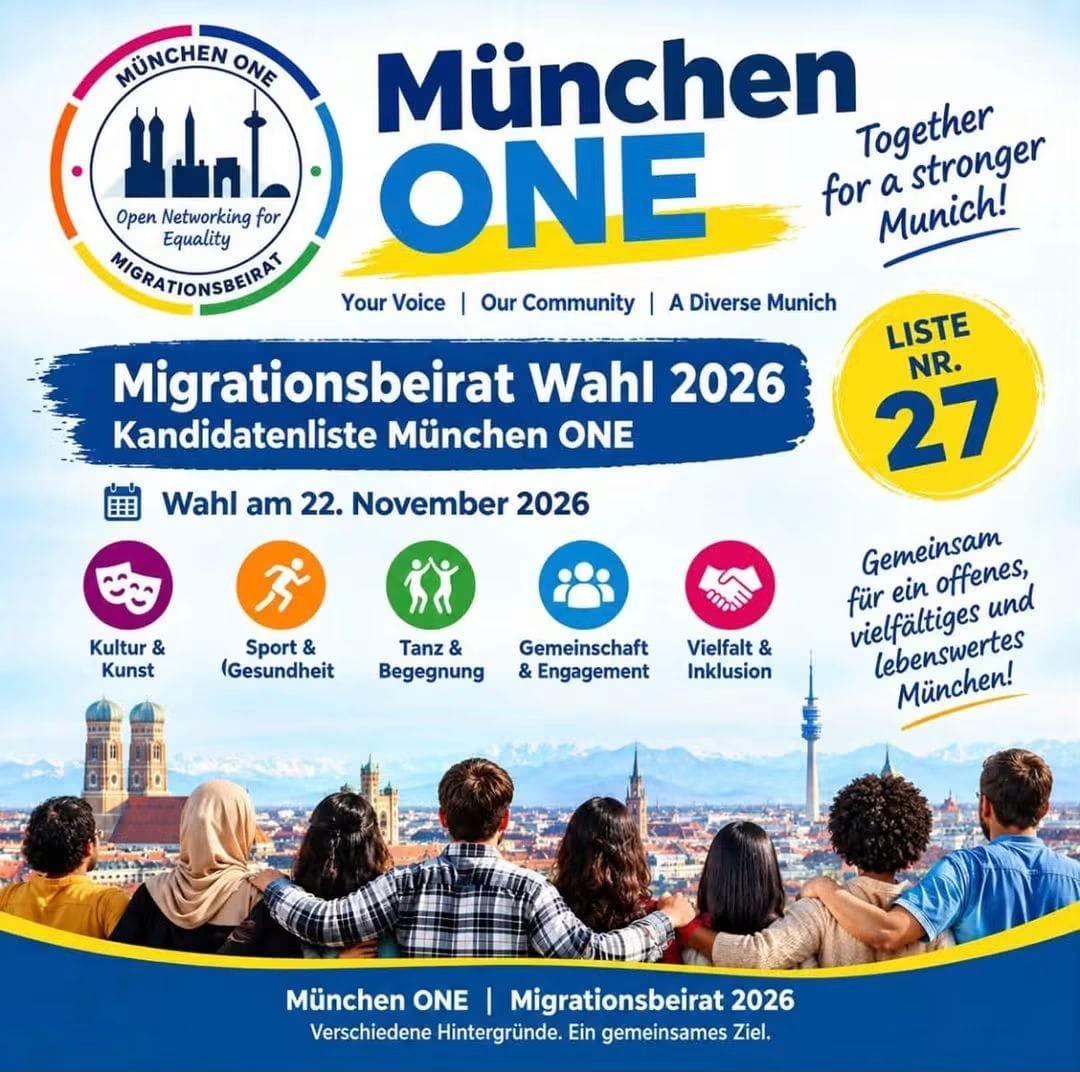
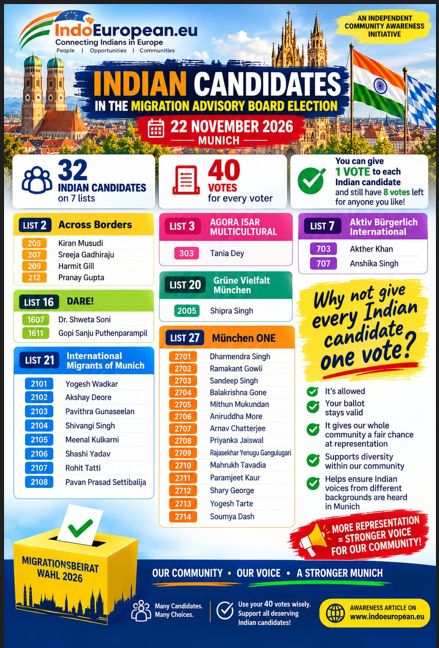
This year, many Indian-origin candidates are participating in Munich’s Migrationsbeirat election across different lists.
This creates an opportunity for public discussion about how our community can contribute to Munich’s civic life.
Different candidates bring different experiences, professional knowledge, networks and perspectives.
Some may understand immigration procedures, while others may have experience in education, technology, employment, cultural activities or community organisations.
These different backgrounds can be valuable when representatives work together.
Community service should not depend entirely on one elected person. It requires cooperation between representatives, volunteers, associations and residents.
An Election Is Not the End of Community Service
Not every candidate will win a seat in the Migrationsbeirat.
However, not being elected does not prevent someone from contributing to the community.
Candidates can continue volunteering, organising discussions, supporting initiatives, identifying common problems and working with elected representatives.
Over the coming years, their involvement can provide residents with a clearer understanding of their commitment and contributions.
By the next election, voters will have more opportunities to examine what candidates have actually done, rather than relying Only on campaign promises.
A Thought About Voting
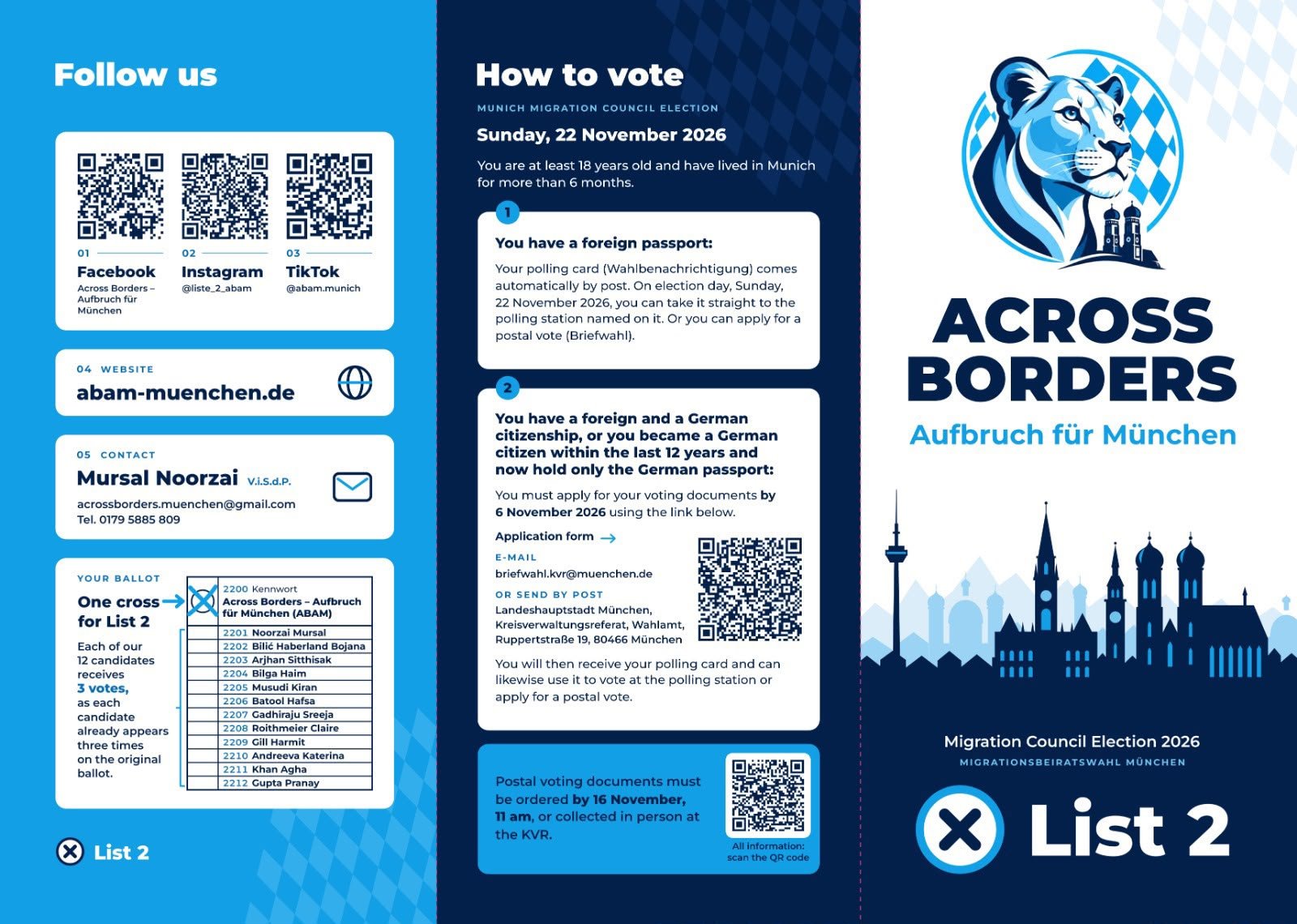
In Munich’s Migrationsbeirat election, eligible voters have 40 votes, which they can distribute among candidates on different lists according to the official election rules.
This gives voters flexibility to consider a wide range of candidates and priorities.
Every voter is free to decide whether to support individual candidates, an electoral list or a combination permitted by the voting system.
There is no single voting approach that is right for everyone.
We encourage voters to consider candidates’ previous contributions, their understanding of community problems, their proposed solutions and the time they are willing to dedicate to public service.
Beyond Individual Names and Electoral Lists
The purpose of community representation should extend beyond any one individual, organisation or electoral list.
Regardless of the election results, candidates and community organisations can continue sharing knowledge, cooperating on common concerns and maintaining constructive relationships with the city’s institutions.
Some issues may be resolved quickly. Others may require years of dialogue, administrative improvements or changes at higher levels of government.
Progress should therefore be understood through consistent effort, realistic goals and transparent communication.
IndoEuropean.eu’s Perspective
We respect every individual who has come forward to participate in this democratic process.
Our intention is not to favour or criticise any candidate or group, but to encourage a broader conversation about community service and responsible representation.
Winning an election provides an opportunity to serve through public office. Not winning does not take away the opportunity to serve society.
What matters over time is how individuals engage with residents, cooperate with others and contribute to meaningful improvements.
Munich’s Indian community has many voices, many talents and many different needs.
Our hope is that this election encourages greater awareness, constructive cooperation and continued civic participation — regardless of which candidates are elected.
Many candidates. Different strengths. Shared challenges. A common opportunity to serve.
IndoEuropean.eu — Connecting Communities, Encouraging Participation and Building Bridges.