Germany has a long tradition of civic participation through associations known as Eingetragener Verein (e.V.). These organizations play an important role in social life and are widely used by communities to organize cultural activities, promote social connections, and represent shared interests.
Eingetragener Verein (e.V.) – Registered Association
The e.V. (Eingetragener Verein) is the most common legal form used by community organizations in Germany.
Key characteristics include:
- It is registered in the Vereinsregister at the local court (Amtsgericht).
- At least seven founding members are required to establish a registered association.
- Once registered, the association gains legal personality, meaning it can sign contracts, open bank accounts, and own property.
- Many community associations operate as non-profit organizations.
- The organization is typically managed by a Vorstand (board), which represents the association legally and operationally.
Because of this legal structure, the e.V. model is widely used by cultural, sports, and community organizations across Germany, including many initiatives within the Indian diaspora.
Within the Indian diaspora in Germany, many cultural, regional, and social initiatives are organized through associations or informal community networks. While the legal structure of a registered association (e.V.) is the same, the way these organizations operate in practice can vary significantly depending on leadership style, membership structure, and organizational goals.
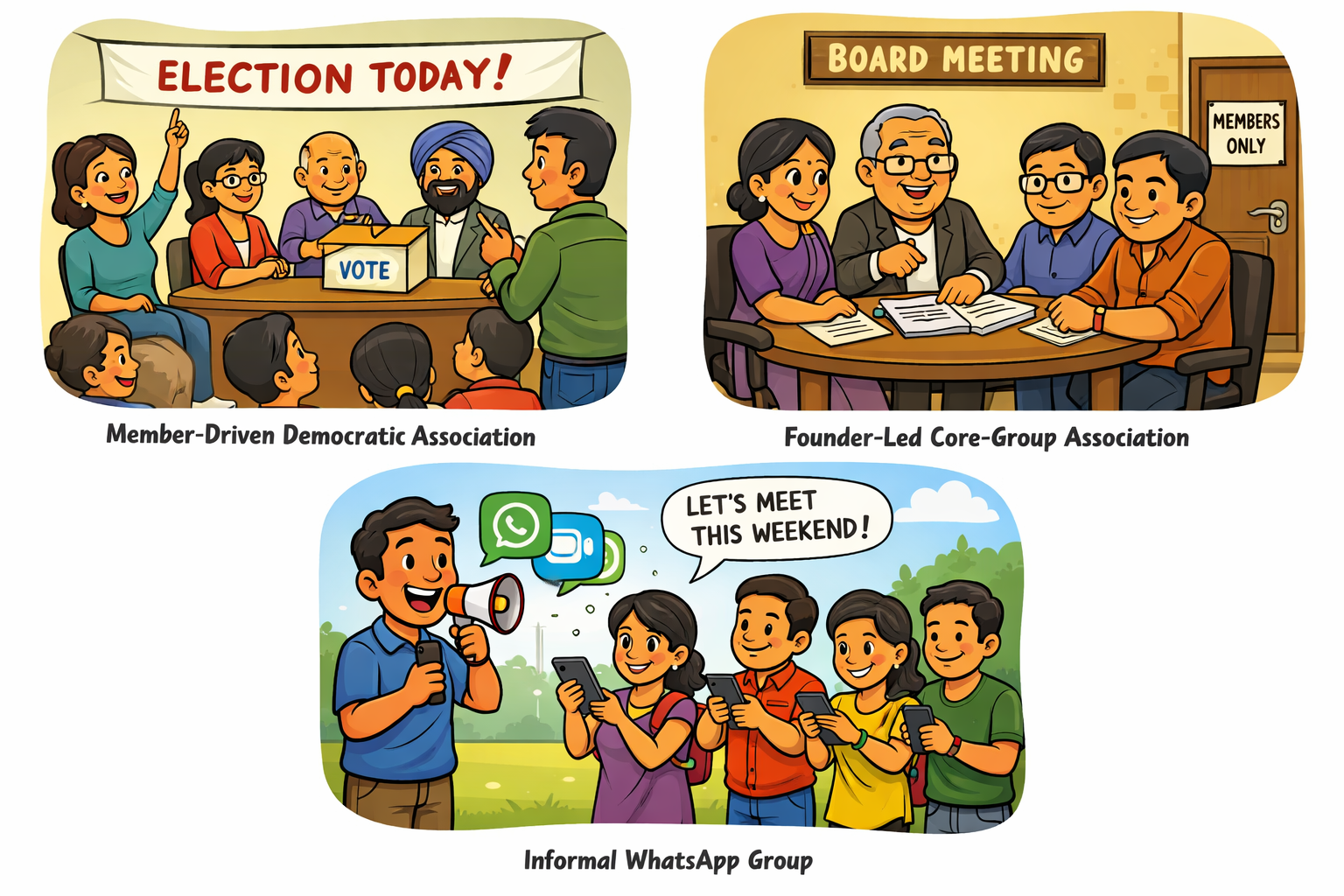
Broadly speaking, three common organizational patterns can be observed within Indian community initiatives in Germany.
Member-Driven Democratic Associations
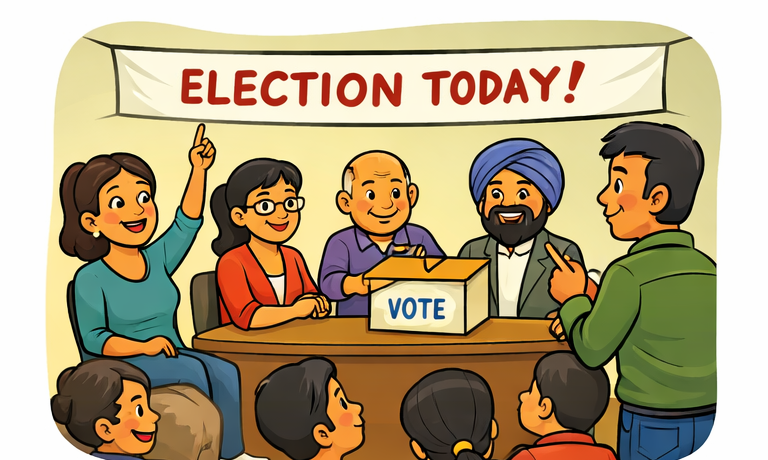
Some associations operate with a large and active membership base, often consisting of hundreds of members. These organizations usually follow the governance structure envisioned by German association law.
They typically have:
- open membership policies
- regular member meetings
- transparent decision-making processes
- periodic elections for board positions, usually every two or three years.
Such associations generally aim to expand membership and encourage wider community participation. Because leadership positions are elected periodically, new members can gradually take on responsibilities and even become president or board members over time.
One of the major advantages of this structure is that it allows new ideas and perspectives to enter leadership regularly, helping organizations remain dynamic and responsive to community needs.
At the same time, democratic participation can sometimes make decision-making slower, as more voices are involved in discussions and consensus building.
Founder or Core-Group Led Associations
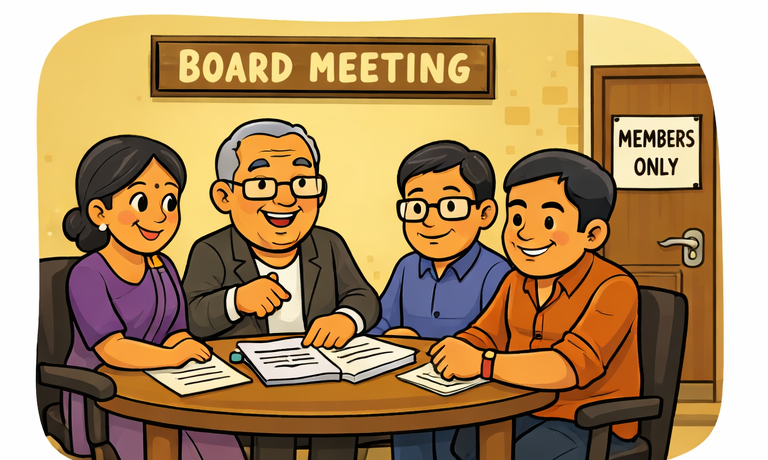
Another common structure is the founder- or core-group-led association. These organizations are also registered as e.V., but their membership base tends to remain very small, often consisting of three to seven individuals or a limited core group.
In such associations, decision-making may remain concentrated within this small circle. Because the organization remains small, there may be limited organizational expansion and fewer opportunities for broader participation.
Sometimes these associations do not actively seek to expand membership, as a larger membership base could potentially change the internal balance of decision-making within the core group.
This structure can allow faster decisions and continuity in leadership, which may be beneficial for certain small initiatives. However, it may also result in limited participation from the wider community, fewer opportunities for leadership rotation, and leadership roles remaining with the same individuals for extended periods.
Informal Community Groups

A third type of community structure exists outside the formal association framework. Many community initiatives operate simply as informal networks, often coordinated through messaging platforms such as WhatsApp or other social media channels.
These groups usually have:
- no formal membership structure
- no registered association status
- informal leadership roles.
In many cases, group administrators coordinate communication and activities, such as organizing gatherings, sharing information, or arranging cultural celebrations.
Such groups are often easy to establish and can grow quickly because joining a messaging group requires minimal effort. However, they also have limitations. Without a formal structure, they usually cannot sign official agreements, apply for institutional funding, or formally represent the community before public institutions.
Organizational Models in Practice
The following table summarizes the three common governance patterns observed in many community initiatives.
| Governance Style, Structure, Legal Status & Leadership | Organizational Characteristics | Pros & Cons |
| Member-Driven Democratic Association (Registered e.V.) with collective/democratic leadership – Large membership base | Open membership structure, regular member meetings, transparent decision-making processes, and periodic board elections (typically every 2–3 years). The organization is generally interested in expanding membership and encouraging wider community participation. | Pros: Broad community representation, transparency, opportunity for new members to join and eventually take leadership roles, and the possibility to see new minds and ideas in leadership through periodic elections. Cons: Decision-making may sometimes take longer due to broader participation. |
| Founder or Core-Group Led Association (Registered e.V.) with closed leadership structure – Very small membership base (often 3–7 members or a small core group) | Small membership base with decision-making concentrated within a limited group and limited organizational expansion. The organization may not actively seek to expand membership, as a larger membership base could potentially change the internal balance of decision-making within the small core group. | Pros: Faster decision-making and continuity in leadership. Cons: Limited participation from the wider community, leadership opportunities for new members are often limited, and leadership may remain with the same individuals for extended periods. |
| Informal Community Group (Not registered as e.V.) with WhatsApp-admin-led leadership – Community network often organized through messaging platforms | Informal organizational structure coordinated mainly through messaging platforms or social media. The group is generally open to adding members to communication platforms such as WhatsApp. | Pros: Easy to start, flexible communication, and quick coordination. Cons: No formal membership structure, no clear pathway to leadership roles, limited accountability, and the group cannot formally represent the community or apply for institutional support. |
Considerations for Public Funding and Institutional Collaboration
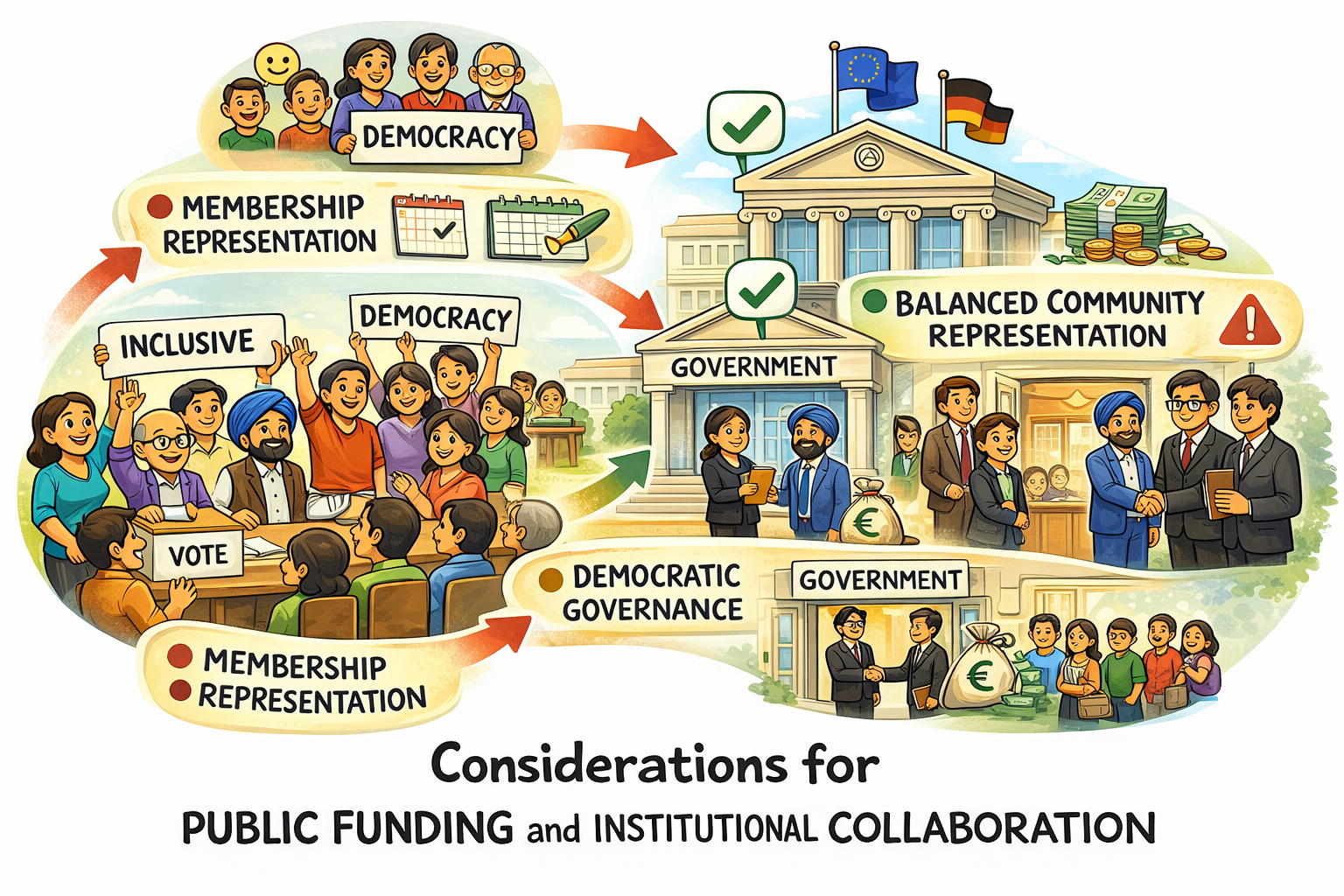
When government institutions allocate funding or collaborate with community associations, certain governance aspects can play an important role in ensuring that public resources support organizations that broadly represent the community.
Three aspects are particularly relevant in this context.
1. Membership Representation
Associations with a larger and active membership base may demonstrate a broader level of community participation. Considering membership size can help ensure that public funding supports organizations that engage a wider segment of the community and encourage inclusive participation.
2. Democratic Governance
Another aspect is the internal democratic functioning of associations. Reviewing governance practices—such as whether regular board elections are held according to the association’s constitution—can help ensure that leadership remains accountable to members and that organizations continue to operate in a democratic manner.
3. Balanced Community Representation
In some cases, smaller core-member organizations may maintain closer institutional relationships simply because decision-making is concentrated within a few individuals. While such organizations can still play an important role in community activities, relying only on a small group may not always reflect the perspectives of the wider community.
For this reason, engaging with member-driven associations that have broader participation can help institutions obtain a more representative view of community needs and priorities.
Encouraging transparency, regular elections, and wider participation can strengthen community organizations and support the long-term development of inclusive and representative civic structures.
Conclusion
Community organizations play a vital role in building connections, preserving cultural identity, and strengthening social networks within diaspora communities.
While the Verein system in Germany provides a clear legal framework for democratic participation, the practical functioning of associations can vary depending on membership size, leadership style, and community engagement.
Understanding these different organizational patterns can help communities reflect on how they wish to structure their initiatives. Openness to participation, leadership renewal, and transparent governance can contribute significantly to the long-term sustainability and inclusiveness of community organizations.
27th March 2026 – Governance and Satzung Workshop: Inviting and Bringing Together the Minds Who Built Your Verein’s Foundation
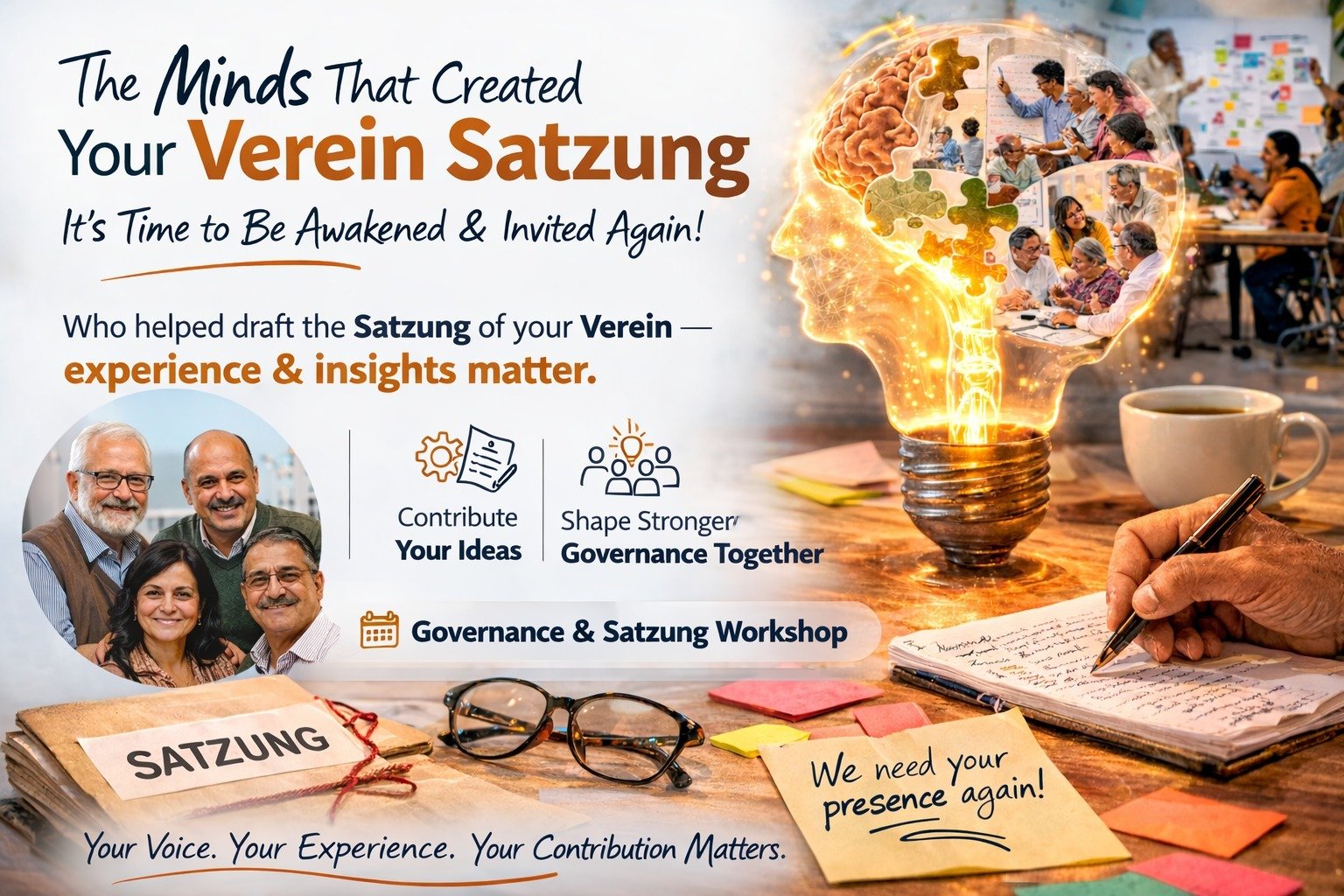
The objective is to develop a governance framework and Satzung that reflects the collective vision and needs of the participating associations, ensuring that the future platform is inclusive, practical, and built on the shared experience of the community.
Indian community Vereine across Bavaria are kindly invited to register their association through the following link:
 Registration Link: https://form.typeform.com/to/DTIlOT5o
If your Verein leadership has not yet been informed about this initiative, we kindly request you to share this article with them so they can participate in the process.
In case your Verein was not included in the initial outreach, you are still welcome to participate by registering through the form and selecting the “Others” option and enter your verien name. This will ensure that your association can also be included in the ongoing discussions and future steps toward building a coordinated platform for the Indian community in Bavaria.
Through this step-by-step journey—from dialogue in 2025, to community verification in early 2026, and now moving toward governance and structure—the Festival of Togetherness initiative is laying the foundation for a stronger, more connected Indian community across Bavaria.